When It Comes To Cutting Aluminum Alloy, It's Essential To Use The Right Type Of Saw Blade
May 13, 2023
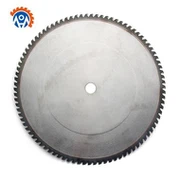
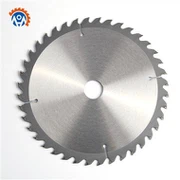
When it comes to cutting aluminum alloy, it's essential to use the right type of saw blade. While aluminum alloy saw blades are ideal, the cutting process can still result in burrs or rough edges that can lead to problems in subsequent manufacturing processes.
The primary cause of these burrs is the blade's teeth, which create small chips or shards as they cut through the metal. While these chips are typically removed with the help of cutting fluid, some may remain on the blade, leading to a rough cut.
Another reason for burrs or rough edges is the blade's feed rate. When the feed rate is too high, saw teeth can push too much metal, leading to a rough cut. On the other hand, a slow feed rate can cause teeth to get clogged with metal, also resulting in rough edges.
Finally, the blade's design and material can also play a role in producing burrs or rough edges. Blade geometry, tooth size, and carbide grain size can significantly affect the quality of the cut.
Overall, achieving a clean cut on aluminum alloy requires choosing the right blade, setting the appropriate feed rate, and ensuring the blade's design and material is suitable for the specific job at hand. By taking these factors into account, manufacturers can avoid costly production problems down the road.