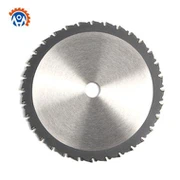
Saw Blade’Choice Guide
May 25, 2022
You will certainly likewise discover blades with various densities as well as variety of teeth which I discuss carefully later on. In the meantime, recognize that a great blade will certainly have a lot of small-sized teeth. Alternatively, a harsh blade will certainly have much less variety of bigger sized teeth that allow it to puncture the product much quicker.
In case you remain in a rush, right here is a fast choice table for referral following Jiangsu Hanma’s step.
| Operation | Tpye of Blade | Blade Feature |
| Cutting Wood | Standard blades | Made out of steel |
| Rip-cut blades | 20 – 40 Teeth | |
| Crosscut blade | 40 – 80 Teeth | |
| Framing blade | 24 Teeth | |
| Plywood | Fine plywood blade | 100 -160 Teeth |
| Metal Cutting | Non-Ferrous Metals | Aluminum, brass, copper |
| Carbide-tipped steel blades | 60-100 Teeth | |
| RPM: 3000-6000 | ||
| Ferrous Metals | Cast iron, steel, pipes and channels | |
| Carbide-tipped steel blades | 30-80 Teeth | |
| Abrasive Discs | RPM: 1800-3500 | |
| Diamond Blade | Continuous Rim Blades | No teeth- Clean Finish |
| Turbo Rim Blades | Serrated. Cuts brick & concrete | |
| Segmented Blades | Most aggressive, for fast cutting. |