Crosscut
Mar 05, 2022
Crosscut
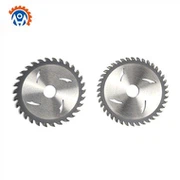
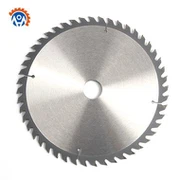
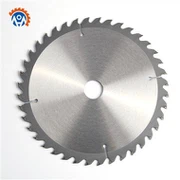
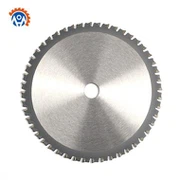
Crosscutting is the act of cutting across the grain of the wood. It is much harder to cut in this direction, than to rip cut. For this reason, crosscutting is much slower than ripping. Crosscut blade cuts perpendicular to the grains of the wood and requires clean cutoff without jagged edges. The saw blade parameters should be chosen to best suit the cut. Under this includes: a large number teeth with about -2° to 8° hook angles, special tooth design like ATB, ATBR or HiATB, and slower circular saw speed settings.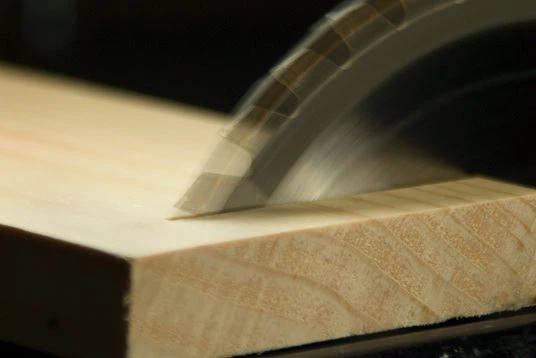
Saw
Radial arm saws are much better for crosscutting than table saws. Not only does having the saw blade mounted above the workpiece make for much better accuracy; but the longer fence allows you to maintain much higher accuracy for angles. A table saw’s miter gauge is only six inches across, compared to the length of a radial arm saw’s fence, which is as wide as the saw table.
Teeth, Hook Angle, Diameter, Gullets
A saw blade won’t tear out the wood if the number of tooth is high enough. Crosscut circular saw blades typically have a high number of teeth, usually 60 to 100. The saw blade can be used for cutting moldings, oak, pine or even plywood if specialized blade is not available. They are mounted with a zero or slightly negative hook angle, reducing the aggressiveness of the cut and the speed with which the blade moves through the material. Hook angles greatly affect the control of cutting; the smaller the angle, the less pulling from circular saw you can expect. The most common sizes of cross-cutting circular saw blades are 7-1/4″, 8, 10, 12 inches in diameter. Gullets on crosscut saw blades are much smaller, because each tooth is taking a much smaller bite out of the material, producing less chips and sawdust. Because the gullets are smaller, the blade is able to maintain itself more rigid, with less vibration.
Finish
Due to the greater number of teeth and reduced vibration, crosscut blades leave a much finer finish than rip cut blades do. On a good saw, with minimal vibration because of a large amount of teeth, they can leave a fine enough finish to not require planing or sanding. The biggest problem with crosscutting is wood splintering. This can be caused by two different things. The first friction between sides of the teeth and the surface of the wood, as the blade exists out of the cut. The second cause of splintering is the tooth of the blade pushing the wood fibers to the side, before cutting through them. Some types of woods are more susceptible to this than others.