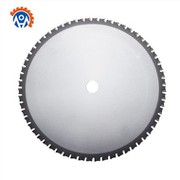
Choosing The Right Number Of Teeth For Aluminum Tct Saw Blades
May 08, 2023
Choosing the Right Number of Teeth for Aluminum Alloy Saw Blades
When it comes to choosing the right saw blade for cutting aluminum alloy, the number of teeth on the blade is an important consideration. The number of teeth on a saw blade affects its ability to cut through the material efficiently and effectively. For aluminum alloy, the number of teeth on a saw blade should be carefully selected based on the thickness of the material being cut.
For thin aluminum sheets or profiles, a saw blade with a higher number of teeth is recommended. This is because a high number of teeth allows for a smoother cut with minimal burrs or chips. Blades with 60-80 teeth are ideal for cutting thin aluminum sheets or profiles.
For thicker aluminum plates or bars, a saw blade with fewer teeth is recommended to prevent clogging and overheating of the blade during the cutting process. In this case, blades with 24-40 teeth are more suitable for cutting thicker aluminum materials.
It's important to note that the type of saw being used also impacts the number of teeth required on the blade. For example, a circular saw is typically used for cutting thin aluminum materials, while a bandsaw is better for thicker materials. It's important to select the right saw blade and the appropriate number of teeth based on the specific saw and material being cut to ensure optimal results.
In summary, when selecting a saw blade for cutting aluminum alloy, the number of teeth on the blade should be chosen based on the thickness of the material being cut. Thin materials require blades with higher numbers of teeth, while thicker materials require blades with fewer teeth to prevent clogging and overheating. As always, it's important to select the right saw blade and the appropriate number of teeth based on the specific saw and material being cut to ensure optimal results.