How dose choose the best Saw Blades t For Wood and Metal
Jul 07, 2022
1. Wood cutting blades
A variety of woods call for a variety of cuts. There are three types of basic wood blades that we switch through, not only because of the material and thickness of the wood but also the type of cutting (straight edge versus joint).
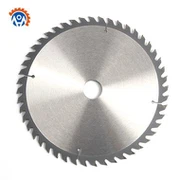
Construction blades are made for fine cutting of lumber wood. They have usually around 40 or more teeth. They have deep gullets in between the teeth to remove chips and sawdust during the cutting process. They’re either high speed steel or carbide tipped depending on your budget and needs. They’re sometimes referred to as “carbide tipped saw blades.” These blades cut in a counterclockwise direction, so you typically want to cut from the backside of the board to get a smooth cut.
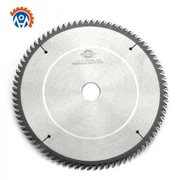
Plywood blades have more, smaller teeth, often numbering up to 160 teeth per blade. This allows for a cleaner and smoother cut while generating less dust. Because the teeth are so close together, more of the blade touches the wood at once so it can cut straighter. Plywood blades are usually made of high speed steel and can come coated or uncoated. These work for wood materials no more than 3/4 inch thick, like plywood and laminate.
Dado blades are used to make grooves, dadoes, and rabbet cuts in lumber. It’s a circular blade that can make groove cuts of various widths, so you can fit wood pieces together to create a joint. These are usually adjustable depending on the size of the chip and grooves.
Crosscutting blades are used to cut across the wood grain at a right angle. These typically have more teeth and a smaller gullet (area between the teeth) to create a smoother cut. These work best for finishing work that needs a smoother, more finished edge. Crosscut blades cut like a knife. Hollow ground blades are a type of crosscutting blade that makes smooth, careful cuts across wood.
Ripping blades cut parallel to the wood grain to create a deeper cut. These tend to have fewer teeth and large gullets, so they’re best for general carpentry work. The front edges of the teeth are flat without an angle, which allows for a straight cut along grain lines. Rip blades cut like a chisel.
Combination blades, also referred to as “all-purpose blades,” can both rip and crosscut wood. They’re highly versatile for a variety of woodworking applications, so we recommend them for every professional’s blade-box.
2. Metal cutting blades
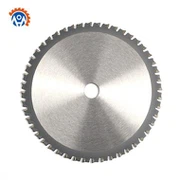
Metal cutting blades are usually toothless to create a smooth cut through strong metal. They often have heat expansion slits to help dissipate heat while cutting into heat-conducting materials (like metal). Most metal cutting blades are versatile and can cut both ferrous and non-ferrous materials like brass, bronze, copper, aluminum, and light-gauge steel.
You might want to purchase a separate steel cutting saw blade specific for cutting steel. These are carbide grade, so they resist breakage, and they tend to last longer than other metal cutting discs.
Note about kerf
The “kerf” refers to the thickness of the blade. The thickness will determine the blade’s ability to cut through certain materials. It will also determine how it cuts through the material.
The thicker the blade or “kerf,” the more you can sharpen the blade. This means you can typically get more use and longer lifespan of thick kerf blades. However, thick kerf blades tend to create a harsher cut. These work well for high-powered saws for larger carpentry projects.
Thin kerf blades are sharper and cut faster. They also require less work from the saw because they cut less wood at once. It also wastes less of the material being cut, which saves you money in the long run. These work best for low-powered saws and detail work.